
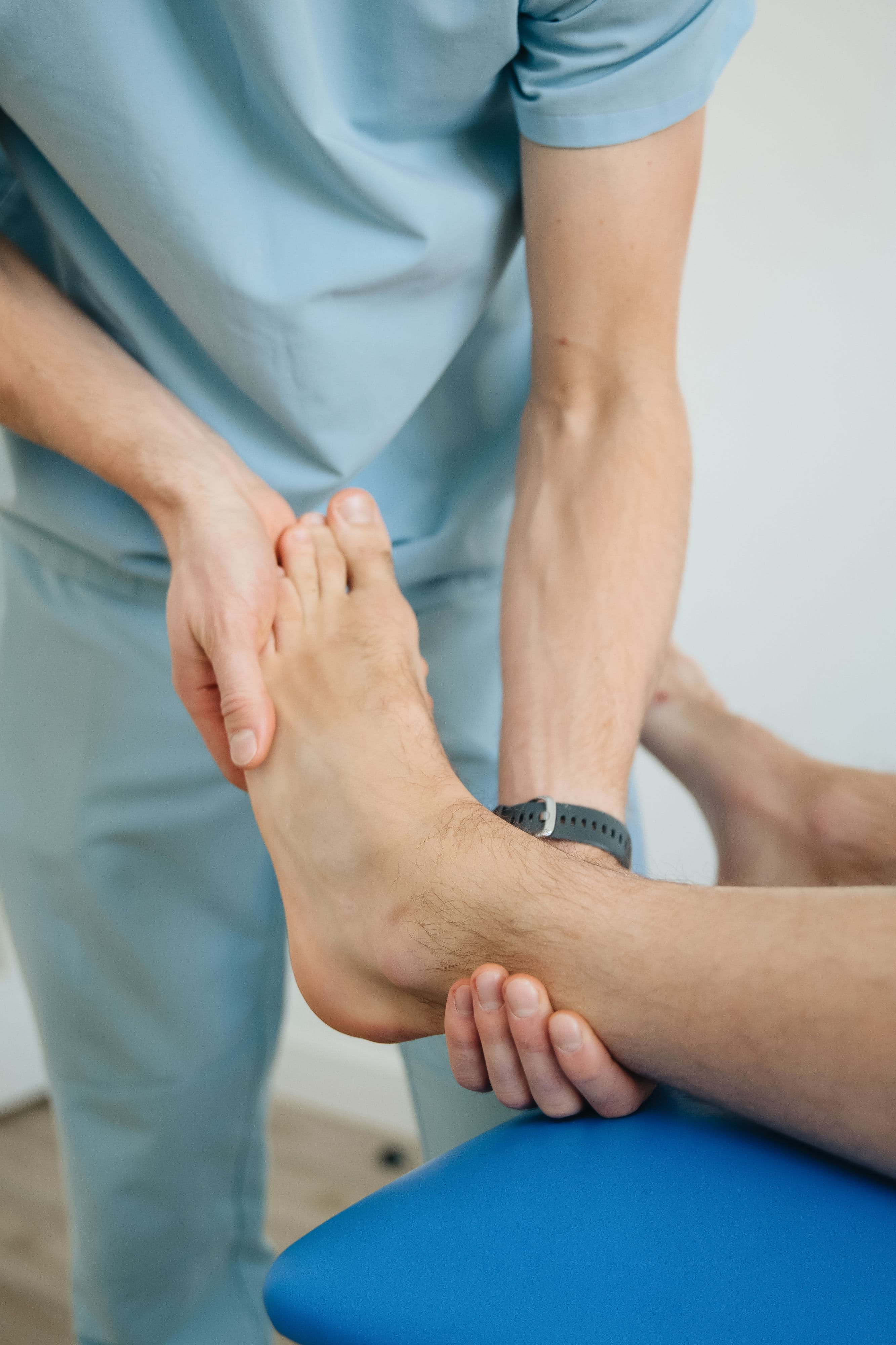
You've probably heard the term already if you're here. A GP mentioned it, or you searched it at some odd hour when the pain kept you up. Rest and ice haven't done much, so someone's brought up shockwave therapy for plantar fasciitis — maybe a physio, maybe a mate who swears it fixed him, right after someone else online swore it did nothing.
Faithh Physiotherapy gets asked about this constantly, so here's the actual answer, no sales pitch attached.
What Is Plantar Fasciitis?
There's a band of tissue that runs under your foot from heel to toes, known as the plantar fascia. It cushions every step you take and holds the arch together, and most people never think about it until it stops working the way it should. It's one of the most common causes of foot pain we treat at the clinic.
Overuse it, or strain it, and it gets angry. Heel pain in the morning is the classic sign. So is that jab of pain after you've been sitting a while and stand back up. Walk it off and the pain can ease, then it comes back later after standing too long.
Common triggers that keep the irritation going:
- Worn-out or unsupportive shoes
- Long shifts spent standing or walking
- A sudden jump in activity, like training for a race without building up to it
- The natural shape of your arch (flat or high)
What Is Shockwave Therapy?
Shockwave therapy makes use of acoustic sound waves aimed at the sore part of the foot. Clinically, it's known as ESWT — extracorporeal shockwave therapy — which means the energy comes from a device outside the body and passes through the skin to reach the tissue.
A handheld device sends pulses of energy into the area. That's really what shockwave therapy treatment is. The pulses prompt the body's own repair systems into action, pulling blood flow towards the site and getting stalled tissue moving again.
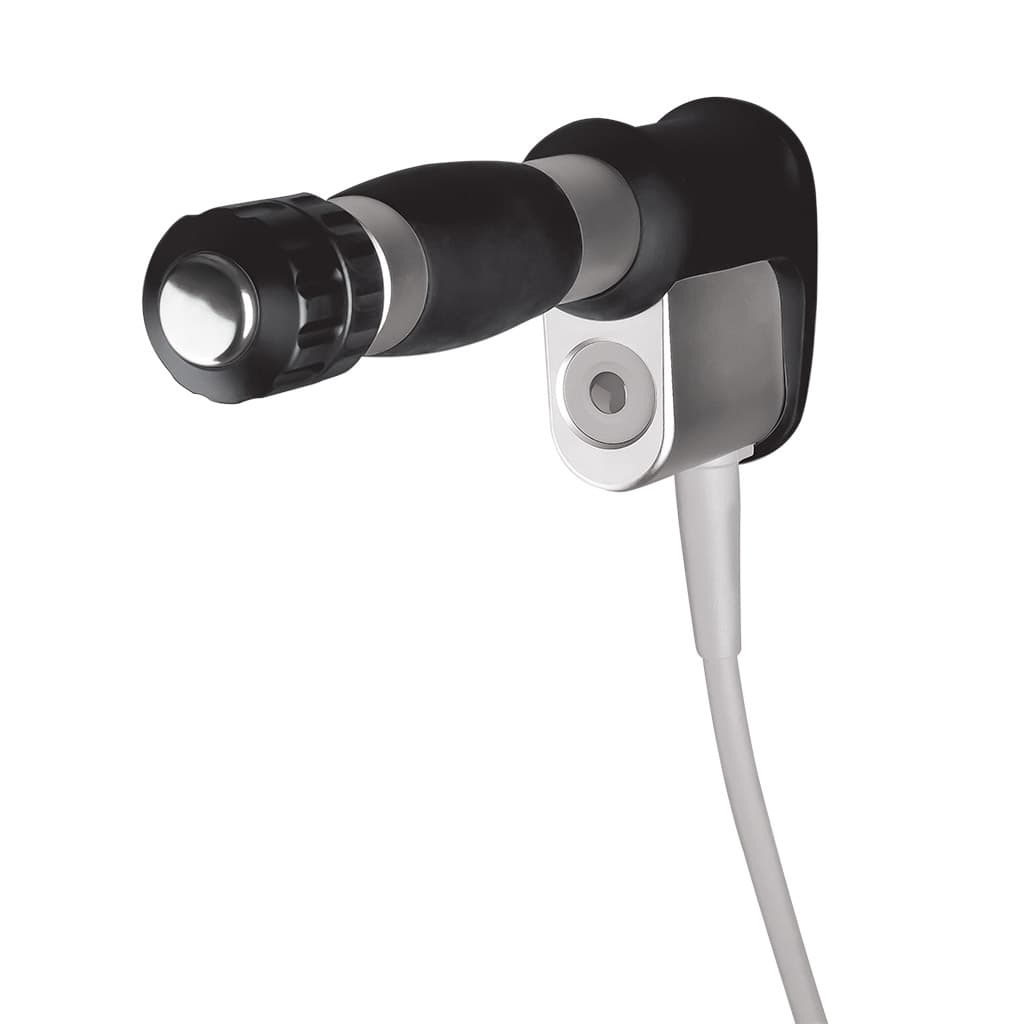
No cuts, no needles, no time in hospital. Just a device against your heel and a short appointment. You can read more about how we deliver shockwave therapy at Faithh Physiotherapy.
How Does Shockwave Therapy Help Plantar Fasciitis?
Long-term plantar fasciitis means the tissue has paused repairing itself properly. It's stuck in a loop. Shockwave pulses are believed to break that loop and push healing forward again.
Here's roughly what happens when it works:
- Blood flow to the plantar fascia picks up
- Pain sensitivity in the area tends to drop over a few sessions
- Small calcified deposits or scar tissue can start breaking down
- Collagen production gets a boost, which matters for repair
Faithh Physiotherapy rarely uses shockwave by itself. Stretching, footwear changes, and managing how much load goes through the foot each day all work alongside the treatment. Drop those, and the shockwave sessions do a lot less on their own.
Does Shockwave Therapy for Plantar Fasciitis Really Work?
For most patients we see, yes. Not everyone, and rarely overnight. People who notice the biggest shift come with long-standing heel pain, especially if stretching and orthotics haven't budged it.
After a few sessions, some people already start feeling better. Others need the whole course before anything changes. What tips the outcome one way or another:
- How long the pain has been there
- How much tissue damage there actually is
- Footwear and time spent on your feet
- Body weight and foot mechanics
- Whether you're doing the exercises handed to you alongside treatment
That last one matters more than people expect.
What Happens During a Shockwave Therapy Session?
Nothing dramatic. A quick check-in first, then the physiotherapist finds exactly where the pain is worst.
Gel goes on. The device gets pressed against the spot and starts delivering pulses, with intensity adjusted based on how you're reacting. Five to fifteen minutes and you're done. No bandages, no time off your feet, no waiting around afterwards. Most people go straight back to their day, sometimes with a couple of notes on what to avoid for the next 48 hours.
Is Shockwave Therapy Painful?
There's discomfort, yes. A sharp tapping feeling mostly, sometimes a dull ache depending how sensitive the spot already is. We won't dress that up.
But it's adjustable. If it's too much, your physiotherapist turns the intensity down straight away. Most patients tell us afterwards that the treatment itself was nothing compared to the heel pain they walked in with.
Shockwave Therapy Side Effects
Most people experience little more than:
- Mild soreness for a day or two
- Some redness or warmth on the skin
- Occasional light bruising
- Tenderness that settles on its own within a few days
None of it tends to stick around. Anything more serious is rare when treatment comes from a properly trained physiotherapist who's checked your suitability first. That's the whole reason this isn't something to try through some device bought online. Talk to Faithh Physiotherapy before starting, and they'll guide you on what applies to your specific foot.
Who May Benefit from Shockwave Therapy?
- People with heel pain past the six-week mark despite resting it
- Anyone who's tried stretching, ice, and different shoes without much change
- Runners whose training keeps aggravating the same spot
- People who'd rather try this route before something more invasive
That's not everyone with foot pain, of course, which is why assessment always comes first.
When Shockwave Therapy May Not Be Suitable
- Circulation problems
- Certain medications
- Pregnancy
- Some underlying health conditions
This list isn't complete, and none of it should be read as medical advice on its own.
A physiotherapist reviewing your history is the only way to know for sure whether shockwave therapy is right for you.
Shockwave Therapy Cost: What Should Patients Know?
Cost depends on the clinic and a few important factors, including how many sessions you require and whether it's incorporated into a wider treatment plan. Plantar fasciitis usually needs a course rather than one visit, so the total reflects that.
Get in touch with Faithh Physiotherapy directly for numbers that actually apply to your case, rather than a generic figure that might not. Our pricing page covers standard consultation and session rates.
Why Choose Faithh Physiotherapy?
Every plan starts with a physiotherapy-led assessment. Not a template handed to whoever walks in that day.
The team has treated plenty of shockwave cases alongside broader rehab work for chronic, stubborn musculoskeletal problems. Footwear, activity levels, and long-term foot health all factor into the plan, not just the treatment itself.
Final Thoughts
Shockwave therapy helps a lot of people who've been stuck with heel pain that won't shift, particularly when it's combined with proper rehab exercises. Results vary from person to person though, and nobody can promise a fixed outcome before assessing your foot.
Getting the diagnosis right matters more than anything else here. Book a consultation with Faithh Physiotherapy if persistent plantar fasciitis has been slowing you down, and find out whether shockwave has a place in getting you back on your feet properly.
FAQs
What is shockwave therapy for plantar fasciitis?
A non-surgical treatment using acoustic sound wave pulses aimed at the heel, meant to trigger the body's natural healing response and ease pain in the plantar fascia.
How many shockwave therapy sessions are needed?
Depends on the person, but a typical course runs several sessions spaced roughly a week apart. Your physiotherapist confirms specifics after assessing your foot.
Is shockwave therapy safe?
Yes, when a trained physiotherapist delivers it. Side effects reported are usually mild — soreness or tenderness mostly — and they pass quickly.
Can plantar fasciitis come back after shockwave treatment?
It can, especially if footwear, activity levels, or foot mechanics aren't addressed too. Keeping up with stretching afterwards lowers the odds.
How do I know if shockwave therapy is right for me?
Book a consultation. A physiotherapist at Faithh Physiotherapy will review your history and symptoms and tell you honestly whether it's a fit.