
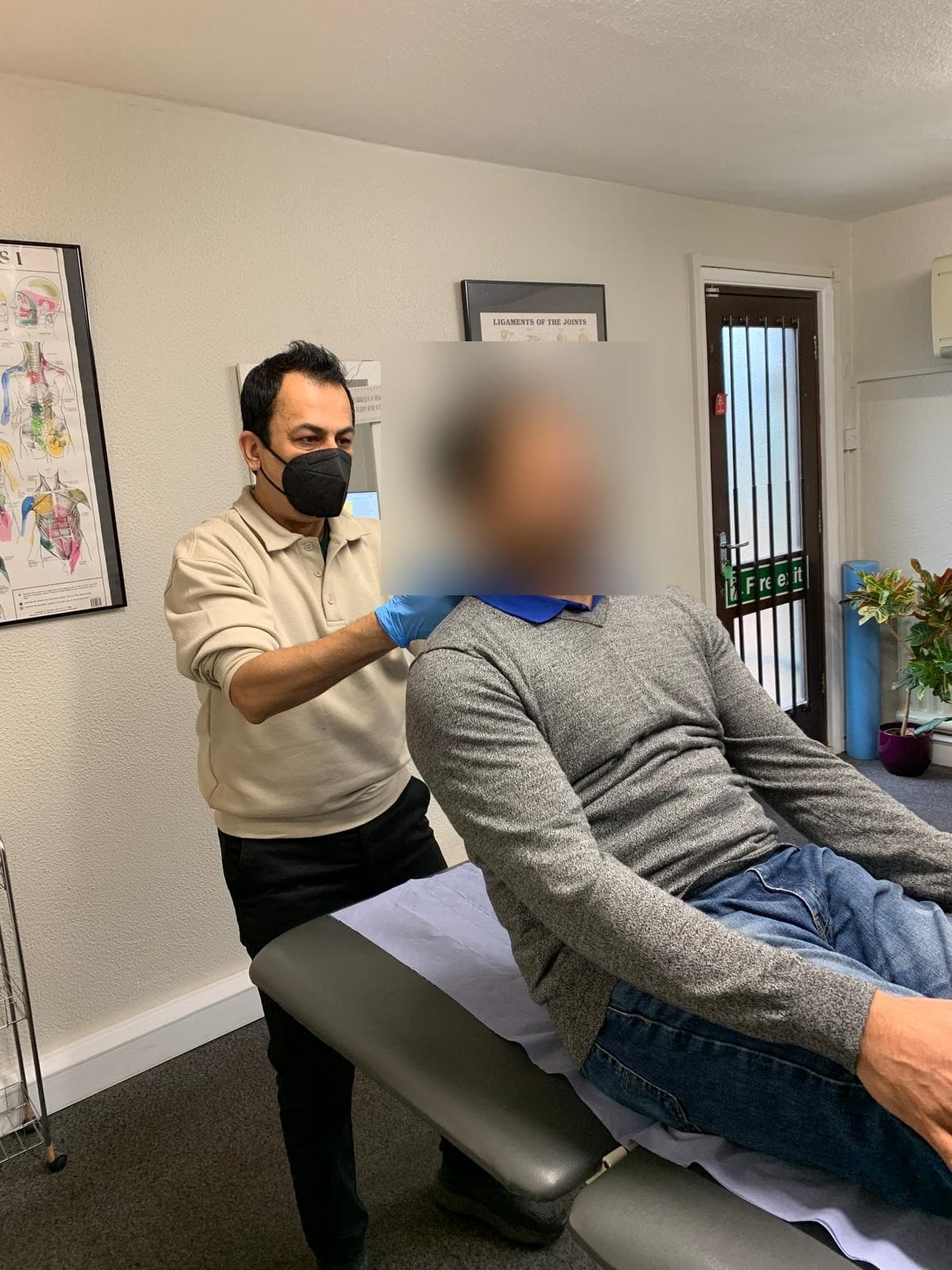
Here's the thing though about dizzy waves. We call all of it "dizzy," lump it together like it's one problem, when dizziness and vertigo are actually two fairly different experiences that just happen to overlap in everyday conversation, and the difference isn't just a technicality; it changes what you'd actually try to fix it.
Faithh Physiotherapy gets this question constantly, usually from someone who's already been dealing with it for weeks or months by the time they ask.
What Is Dizziness?
Five different patients will describe dizziness five completely different ways, and that's honestly one of the more frustrating parts of trying to work out what's going on from a phone call alone. Woozy. Faint. Legs not listening.
Sometimes it's dehydration, or bad sleep the night before, or blood pressure dropping the second you stand up. Sometimes it's a medication someone's been on for years without issue, and suddenly it's causing problems. Anxiety can do it. So can the inner ear, or oddly enough, the neck. Given how scattered the possible causes are, dizziness by itself doesn't really point anywhere specific, which is why guessing from a symptom list rarely gets anyone very far.
What Is Vertigo?
Vertigo is the spinning one. The room moving, or you feeling tipped sideways while stood dead still, even though objectively nothing around you has actually moved an inch.
Usually the inner ear's behind it, specifically something called the vestibular system, which handles balance and tells your brain where your head is in space. BPPV comes up constantly here — Benign Paroxysmal Positional Vertigo, if you want the full name for it. Tiny calcium crystals inside the ear come loose and end up somewhere they shouldn't, confusing those position signals sent to the brain. It's one of the more fixable causes of vertigo once someone's confirmed that's what's going on through proper vestibular assessment.
Vertigo vs Dizziness: What Is the Main Difference?
Dizziness sits in the light-headed, faint, and generally off category. Vertigo's the spinning, tilting movement when there shouldn't be any.
Dizziness — feels light-headed, woozy, off-balance. Often triggered by standing quickly, dehydration, or low blood sugar. Covers a wide range of causes, and tends to be constant or come and go.
Vertigo — feels like spinning, tilting, whirling. Usually triggered by head movement, rolling over, or looking up. Usually inner ear or vestibular related, and tends to happen in distinct episodes.
Neither one is worse by default. Knowing which is which just points you toward a different next step.
Common Vertigo Symptoms
The spinning itself is the obvious one, and it can come on with almost zero warning — one second you're fine, the next you're reaching for a wall. Nausea often tags along, sometimes mild, sometimes bad enough that people are sick. Balance goes too, not just during the episode but sometimes lingering afterwards, a kind of general wobbliness that hangs around longer than the spinning does.
Head movement's usually the trigger. Rolling over. Looking up. Not everyone gets every symptom on this list, and many patients only notice it in one particular situation.
How Do You Know If You Have Vertigo?
It comes and goes instead of sitting there all day, every day. Someone's perfectly fine, then boom, spinning right after they roll over in bed or stand up too fast or turn their head to check traffic.
That pattern — symptoms tied to a specific movement or position — is usually the clearest signal pointing toward vertigo rather than dizziness generally, though it's not something to self-diagnose from. A physiotherapist confirms it properly. At Faithh Physiotherapy, that's always where things start.
What Can Cause Persistent Dizziness?
If it sticks around instead of fading after a few minutes, it's worth getting looked at. We've seen it come from inner ear problems, vestibular disorders that interfere with balance signal processing, dizziness that actually originates in the neck, general balance dysfunction, medication side effects, and occasionally something else entirely that only shows up once someone's properly assessed.
Wide net. That's the whole point of getting it looked at rather than spending months guessing.
When Should You See a Physiotherapist?
Not every case of dizziness needs a physiotherapist. Plenty do, though. It's worth booking in if any of the following persists:
- Dizziness comes on clearly when you move your head
- Balance problems are getting in the way of ordinary daily stuff
- Symptoms match a typical BPPV pattern, spinning after rolling over in bed being the classic tell
- Neck stiffness is showing up alongside it
- Vertigo keeps coming back over several weeks rather than settling
One or two of those sound familiar? That's usually enough reason to get it checked rather than working around it indefinitely.
How Can Physiotherapy Help Vertigo and Dizziness?
Vestibular rehabilitation is the umbrella term for most of what we do here — specific exercises directed at retraining how the brain interprets balance and movement signals, so the dizziness response settles down over time instead of staying permanently switched on.

Balance work. Movement retraining. Understanding precisely what sets someone's symptoms off. A lot of explaining, too, because patients cope noticeably better once they actually understand what's happening rather than just riding it out blind.
Where BPPV's confirmed, there's the Epley manoeuvre, a specific sequence of head and body positions that guides those displaced crystals back to where they're supposed to be. Well-established for the right BPPV cases. It won't touch every kind of vertigo though, which is precisely why assessment comes before any of this gets discussed, not after.
How to Help Vertigo at Home Safely
Caught mid-episode before you've been assessed? Sit down, or lie down, whichever's closer, rather than trying to push through it standing up. Move slowly once it's passed, particularly when changing position. Water helps too, since dehydration tends to make the light-headed side of things worse. Skip sudden head movements while it's still active, and don't get in a car until it's fully settled.
None of that is treatment. It's just damage control until someone can actually look at what's causing it.
When Dizziness May Need Urgent Medical Help
This bit matters more than anything else on this page. Most dizziness and vertigo won't be an emergency, but certain symptoms alongside it absolutely shouldn't wait for a routine appointment. Get urgent medical help if dizziness turns up with:
- Chest pain
- Fainting or loss of consciousness
- Sudden weakness, especially on one side of the body
- A severe headache, unlike anything experienced before
- Difficulty speaking or slurred words
- Sudden changes in vision
- New confusion
- Loss of coordination
If any of that is alongside dizziness or vertigo, treat it as an emergency straight away.
Vertigo Treatment UK: Why Choose Faithh Physiotherapy?
Physiotherapy-led, start to finish, for vertigo, dizziness, BPPV, and balance disorders more broadly. Every single case gets a proper assessment before anything else happens, never a fixed routine applied regardless of what's actually going on.
From there, it's about what's genuinely triggering your specific symptoms, whether that ends up being vestibular rehabilitation, the Epley manoeuvre for confirmed BPPV, or a closer look at the neck's role in all this. Book an assessment to find out what's really going on.
Final Thoughts
Dizziness and vertigo get treated as interchangeable, but they're not, not really. Dizziness sits closer to light-headed and unsteady. Vertigo's the spinning, movement-based sensation, and the inner ear's usually somewhere in the mix.
Whichever one you recognise, an actual assessment beats guessing, every single time. Been dealing with either for a while now? Book an appointment with Faithh Physiotherapy and find out what's really going on.
FAQs
What is the difference between vertigo and dizziness?
Dizziness usually feels like light-headedness or general unsteadiness. Vertigo is a specific spinning or movement sensation, even when nothing around you is actually moving.
How do you know if you have vertigo?
It tends to show up in episodes triggered by particular movements, like rolling over in bed, standing up, or turning your head quickly. A physiotherapy assessment is the most reliable way to confirm what's going on.
Can a physiotherapist help with vertigo?
Often, yes. Vestibular rehabilitation, and where BPPV is confirmed, the Epley manoeuvre, can reduce symptoms considerably. Not every cause responds the same way, which is why assessment comes first.
How do you stop dizziness from vertigo?
No single fix works for everyone. Sitting down when it starts, moving slowly, and avoiding sudden head movements all help in the moment. Lasting relief comes from finding and treating whatever's actually causing it.
When should dizziness be checked urgently?
Get urgent medical help if dizziness comes with chest pain, fainting, sudden weakness, a severe headache, slurred speech, vision changes, new confusion, or loss of coordination.